
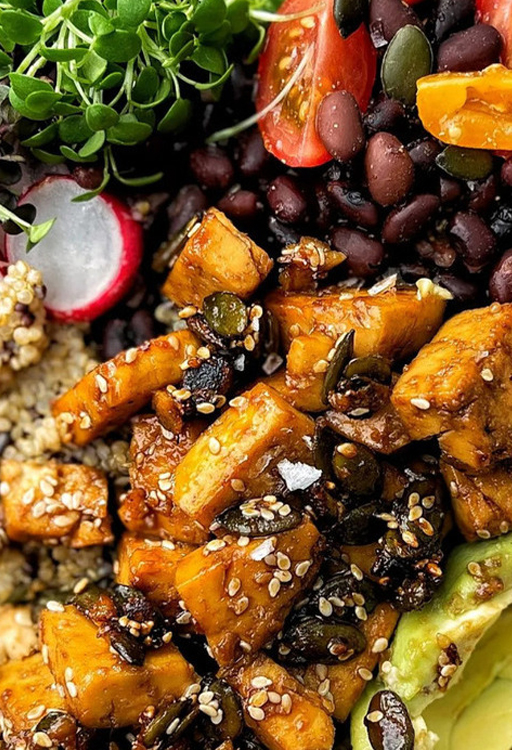
Dinner tends to be where weight-loss plans quietly fall apart. By the evening, most people are tired, decision fatigue has set in, and the temptation to order takeout or reach for something quick and heavy is at its highest.
On top of that, dinner is often the largest meal of the day in terms of portion size, which means small overages here add up faster than they would at breakfast or lunch.
The good news is that dinner doesn’t need to be complicated to be effective for weight loss — it needs to be planned. A dinner built around a protein source, a generous portion of vegetables, and a controlled carbohydrate portion keeps calories in check.
That structure still delivers the volume of food that makes a meal feel satisfying, not like a punishment.
Chicken, fish, lean beef, tofu, or legumes should make up roughly a quarter of what’s on your plate. Protein at dinner also supports muscle recovery overnight.
Aim for half your plate in non-starchy vegetables — they add volume and fiber for relatively few calories, which helps you feel full on fewer total calories.
A small portion of rice, potato, or whole grain rounds out the meal without dominating it.
Roasting, grilling, sautéing in a small amount of oil, and baking all keep added fat and calories lower than deep frying or heavy cream-based sauces.
Herbs, spices, citrus, and vinegar-based marinades make a lean dinner taste like a meal you’d choose on its own merits, which matters for sticking with it long-term.
The most effective dinners for weight loss follow a simple ratio: about half the plate in non-starchy vegetables, a quarter in lean protein, and a quarter in a whole-grain or starchy carbohydrate. Sheet pan chicken with roasted vegetables is one of the easiest ways to hit that ratio with minimal prep.
There’s no nutritional difference — “supper” is simply a regional term some people use for an earlier or lighter evening meal. The same weight loss dinner ideas on this page work equally well whether you eat at 5 p.m. or 8 p.m.
This varies by individual based on total daily calorie needs, but most of the dinners on this list fall in the 350 to 450 calorie range, which fits comfortably within a moderate calorie deficit for most adults.
Yes. Carbohydrates aren’t the enemy of weight loss — portion size is what matters most. A controlled serving of rice, quinoa, or sweet potato alongside protein and vegetables is very different from a plate that’s mostly refined carbohydrate.
Sheet pan meals, stir-fries, and taco bowls are typically the fastest to prepare because everything cooks together or in one pan. Prepping protein in advance on a slower day also cuts weeknight cooking time significantly.