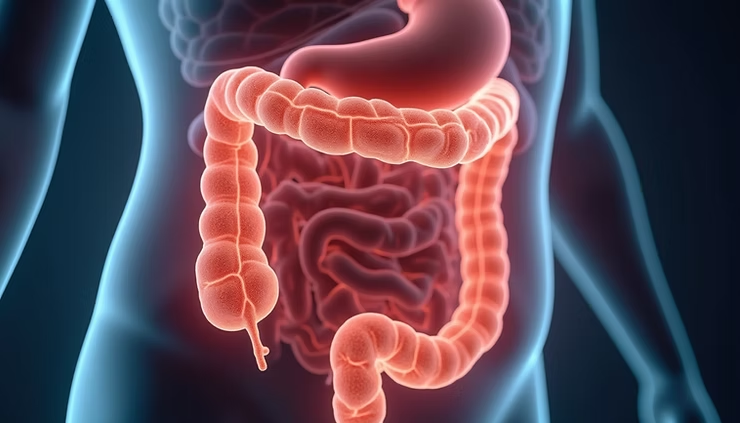
Maintaining a healthy gut is crucial for overall well-being. The gut microbiome affects not only digestion but also various facets of physical and mental health. Why is it essential to care for your gut? An unhealthy gut is associated with numerous diseases, including cardiovascular, gastrointestinal, autoimmune disorders, and even some types of cancer.
Cancers represent a significant concern for individuals seeking to understand the intricate relationship between gut health and overall well-being. Cancer is the uncontrolled growth of cells in an irregular fashion that emerges as a result of both genetic and environmental changes. The reasons for the development of cancer are often multifactorial with a many different risk factors interacting simultaneously. Emerging research highlights the gut microbiome’s role in the development and progression of various cancers (Armstrong et al., 2018). Studies have linked poor gut health to various cancers including:
A balanced microbiome is essential for maintaining a healthy immune function, which can influence the body’s ability to detect and eliminate cancerous cells. One of the primary ways the gut microbiome influences cancer risk is through dysbiosis or microbial imbalance. Dysbiosis plays a central role in chronic inflammation, DNA damage, and production of toxic metabolites. Furthermore, dysbiosis can lead to faulty immune responses. A healthy microbiome supports a balanced immune system, which is essential for identifying and eliminating potentially cancerous cells. Conversely, a dysbiosis microbiome can promote chronic inflammation, a known risk factor for several types of cancer, including colorectal cancer. This inflammation can disrupt normal cellular processes and lead to genetic mutations, thereby increasing cancer susceptibility. There are many other potential mechanisms involved to be discussed in upcoming posts.
The good news is that you have the power to influence and change your gut microbiome! Lifestyle changes can significantly improve gut health. Incorporating a diet rich in fiber, prebiotics, and probiotics can enhance microbiome diversity, which is crucial for a resilient gut. Regular physical activity, adequate sleep, and stress reduction techniques, such as mindfulness and yoga, also contribute to better gut health. These lifestyle modifications can lead to improved digestion, enhanced immunity, and greater overall health, making it vital for individuals to prioritize these changes in their daily routines.
Gut health remains only a piece of the puzzle in terms of cancer risk as cancer is often multifactorial with multiple etiologies in play. Always engage in healthy lifestyle and know your risk factors. Get regular checkups and screenings with your medical doctor. For more information on gut health check out:
See related article on introduction to gut health and tips on improving gut health:
See related article on habits that wreck your gut health: